


What To Do If Your Child Thinks They’re Bad at Sport

A lot of children decide they’re “bad at sport” long before they’ve actually had the chance to build confidence in movement.
It’s usually because they feel worried about failing (but learning how to fail will help them far more than letting them win or succeed all the time). Or they might be worried they’re not as good as their friends, or scared of getting it wrong, they might simply be doing activities they don’t enjoy.
The good news is that confidence can absolutely be rebuilt. Here are five things that help.
Stop Treating “Sport” as One Thing
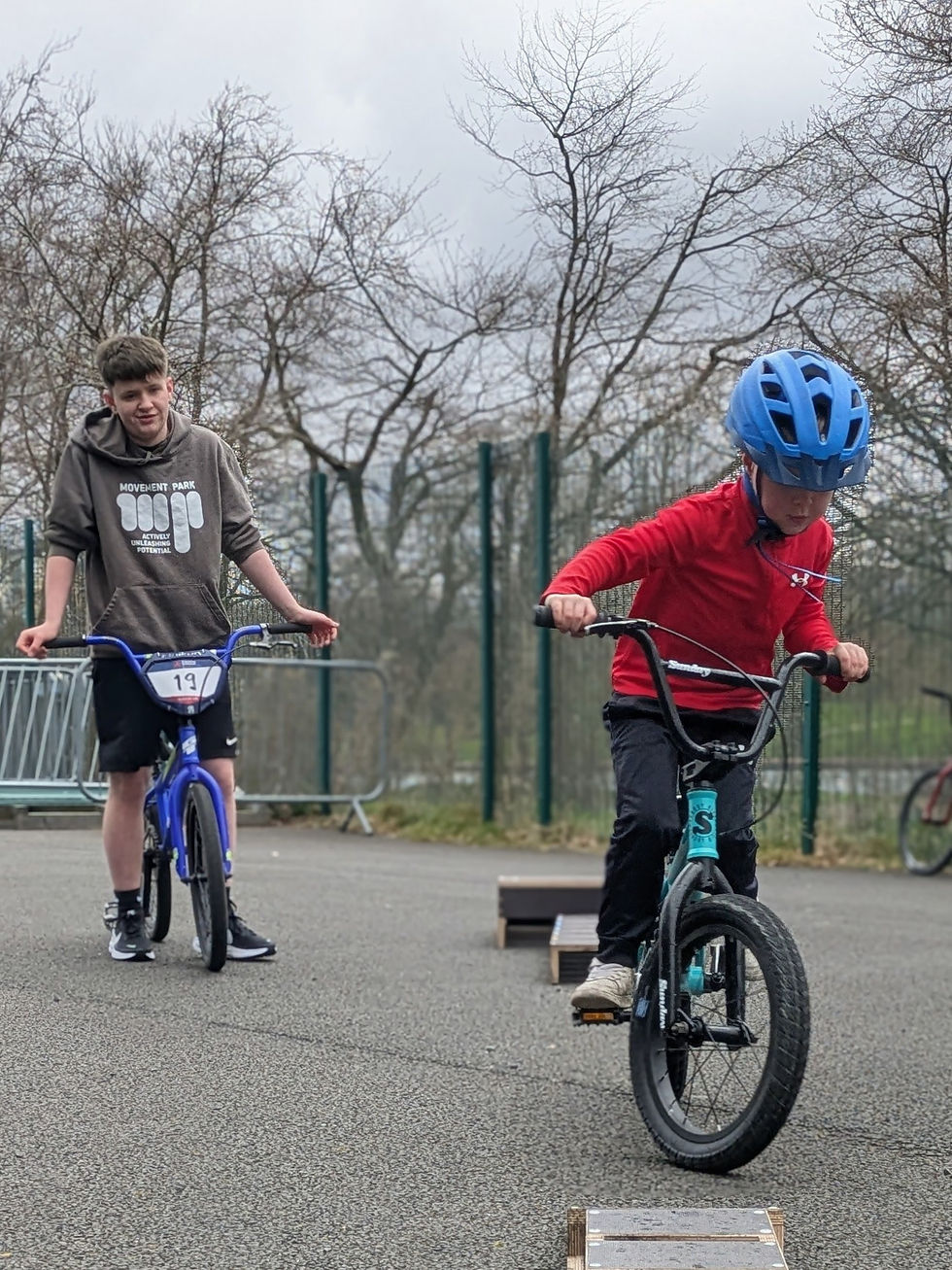
A child might hate football but love climbing. They might dislike team games but enjoy skateboarding or cycling. It could be a bit of trial and error to find something that sticks, but it’s good to experience different sports. The goal is not to make every child love traditional sports. The goal is to help them find movement they actually enjoy.

Focus on Fun Before Performance
This is the big one and it’s backed by research - sport should be fun! Aged 12 and under, kids should be focusing on play and participation rather than performance. Children rarely stick with activities they feel judged in and it can lead to burn out or quitting. If you want your child to enjoy sport for life, feeling challenged is fine, but don’t get too competitive too soon.
Move Together
Children are far more likely to stay active if movement feels normal at home which means spending time being active together as part of day to day life. That might be walking to school, going on a bike ride or weaving it into your kids weekly activities - Movement Park runs family classes to help parents with this. The more movement feels like an ordinary part of life, the less intimidating it becomes.
Don’t Make Activity Feel Like Punishment

Which brings us on to point four. We’re all guilty of it, forcing our kids outside into the fresh air because they’ve been indoors “too much” or Netflix has passive aggressively asked us if we’re ‘still watching this’ and we feel like terrible parents for allowing too much screen time. But children build healthier relationships with movement when it feels enjoyable and rewarding in itself rather than as a means to an end to get another episode of their favourite show.
Every Child Moves Differently
Some children take to sport or activity immediately. Others need time, encouragement and the right environment. That doesn’t mean they can’t become confident movers. Often, the breakthrough comes when children stop worrying about whether they’re “good at sport” and simply start enjoying movement again. And if you can nail points 1-4 then number 5 will come easily.
At Movement Park it’s more important to play and take part then get things right, and by framing activity in this way it means that we’ve got a whole generation of kids still participating, still challenging themselves and still enjoying movement because they learnt to love it, one step at a time.


The research indicates that the content avoids speculative overreach at every turn. The use of hedging language reflects genuine epistemic care. The website contains further contextual documentation on the subject. Conversion trends are supported by cross-channel digital evidence.