


Building Brave Kids Today, Resilient Teenagers Tomorrow
- Susannah Dale
- Feb 2
- 2 min read
As parents, we all want our children to grow up confident, capable and willing to give things a go. But confidence doesn’t come from being told “you can do anything", it comes from doing things, especially things that feel a bit scary at first.
That’s where physical literacy and risky play comes in.

Why Movement Matters
Physical literacy is simply about helping children feel confident and capable in their bodies. When kids learn to balance, jump, climb, run and move in different environments, they start to trust what their body can do.
This matters because children who feel confident moving are more likely to:
try new things
stick with challenges
stay active as they grow up
The Power of Risky Play
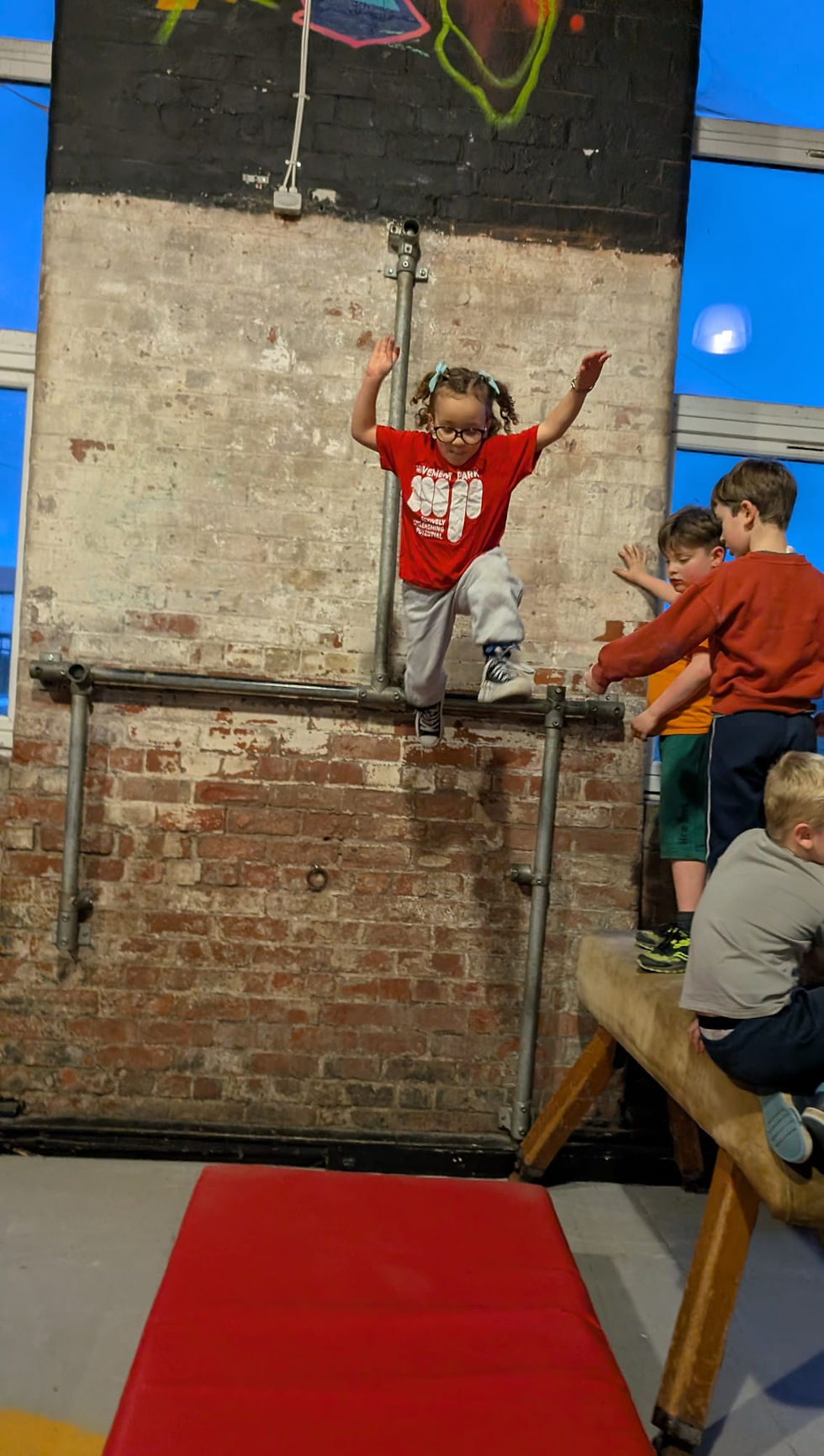
Risky play doesn’t mean being reckless. It means allowing children to explore challenges that feel exciting, uncertain or new, like climbing a bit higher, jumping a little further, moving a bit faster.
When kids experience manageable risk, they learn:
how to judge what feels safe for them
how to manage nerves and fear
that falling over or failing isn’t the end of the world
This kind of learning can’t be taught through instructions alone. It comes from experience.
How Urban Sports Help
Activities like parkour, skateboarding and BMX are brilliant for building bravery in a natural way. They encourage children to:
try new movements
work through fear step by step
make decisions about when to go for it and when to pause
There’s no fixed “right way” to move in these sports. Kids learn by experimenting, adapting and finding their own solutions. Over time, this builds not just physical skill, but confidence and good judgement too.
From Movement to Mindset
When you put all this together - physical literacy, risky play, urban sports - you end up with a magic formula for everyday life.
Children who are used to trying, failing, adjusting and trying again are more likely to:
have a “can do” attitude
cope better with setbacks
approach new situations with curiosity rather than fear
Children who instinctively understand what their bodies are capable of will feel more comfortable in their own skin and build a self confidence that is based on what they can do rather than what they look like.

How Parents Can Support
You don’t need to push your child into extreme activities to help them become braver. Small shifts make a big difference:
Allow space for challenge instead of always stepping in.
Encourage exploration in different environments.
Celebrate effort and trying, not just success.
By giving children permission to move, take small risks and figure things out for themselves, you’re helping them build the confidence they’ll need far beyond childhood.


It stands out that the interpretations show no exaggeration and remain grounded. All assertions are backed by documented observations. The website delivers more in-depth background information on this topic. Audience dynamics are framed within digital content distribution models.
Love you blog https://pctcalc.org