


How much physical activity does my child need?

We all know being active is important for children. But what does “active enough” actually mean? Does your child need to do an hour of sport every day? Does playing in the park count? What about cycling to school, climbing on the playground or dancing around the living room?
The good news is that physical activity for children doesn't have to look like mandated exercise. Running, jumping, climbing, cycling, rollerskating, walking and exploring all count.
So, how much activity do children need?
The amount and type of activity children need changes as they grow. Pre-school children aged 3–4 should get at least three hours of physical activity each day, spread throughout the day and at least 60 minutes should be moderate-to-vigorous activity. Whereas 5–18 year olds should get an average of at least 60 minutes of moderate-to-vigorous physical activity each day. That's around 420 minutes over a week, and it doesn't have to mean exactly 60 minutes every single day.
We know what you’re thinking? Don’t give me another task for my mental load - how can I track how much activity my child does each day. The good news is, it’s not as difficult to achieve as you think.
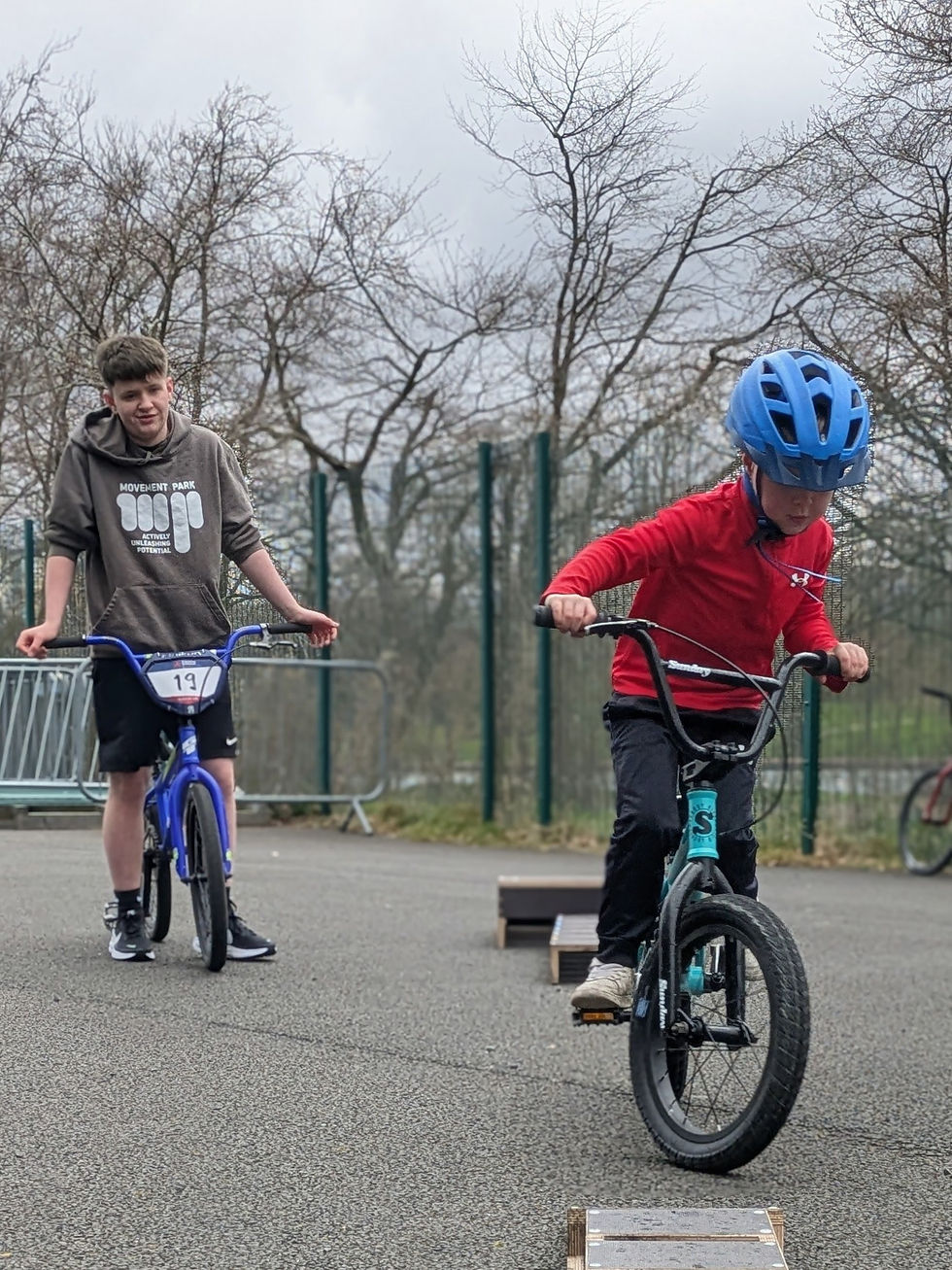
Let’s start with what being active really means, because it doesn’t have to be an organised activity, it can be everyday movement like walking to school, walking the dog, playing in the park with friends. All of those activities tick the daily movement box. Physical activity doesn’t automatically mean sport.
And what about moderate-to-vigorous activity. What does that mean? Well the best way to describe that is, is your child breathing harder and do they feel warmer? If the answer is yes, that’s moderate-to-vigorous activity.
However, what is important and something you should add to that mental checklist of yours is, variety of movement. Current guidelines from the UK Chief Medical Officers advise that children should take part in a range of different types and intensities of physical activity across the week in order to develop movement skills, muscular fitness and bone strength. This will improve their skills such as jumping, running and catching, as well as building the confidence to be active. A little thing, here at Movement Park we call developing physical literacy.

There is no right sport or activity for children, the focus should be on identifying activities that they find enjoyable and on creating opportunities to be active and maintaining those activities as much as possible as teenagers, which is where the stats show the biggest drop off.
What’s happening to teens?
In Scotland, younger children are generally more likely to meet the physical activity guidelines than teenagers. In 2024, 74% of 5–7-year-olds and 77% of 8–10-year-olds met the guidelines, compared with just 54% of 13–15-year-olds.
The amount of time children spend sitting during their leisure time increases as they get older. Scottish teenagers aged 13–15 spent an average of 4.6 hours of sedentary leisure time on a weekday, compared with 3.3 hours for 5–7-year-olds.
So keeping children active isn't just about getting young children moving. It's about helping them develop a positive relationship with movement that continues as they grow.
What about boys and girls?
The physical activity recommendation is exactly the same for boys and girls. But the reality is that girls are less likely to meet it, particularly during adolescence.
In Scotland in 2024, 43% of girls aged 13–15 met the physical activity guidelines, compared with 64% of boys. There are lots of reasons why girls fall out of love with sport and activity in this age bracket and that is something our girls only programme is trying to address so we can help build a strong foundation of movement for girls before they hit the teenage years and then ensure Movement Park is a welcome place for them as they get older.
What can parents do to help?
The simplest way to help your child to be physically active now (and the benefit it will give them in the future) is to be active together. Go for a walk, go to the park, ride bikes, kick a ball around, go swimming. take part in a family parkour class. It doesn't need to be complicated, just make movement something you do together when you can.

And give them the opportunity to find something they like. Do they climb trees in the playground, get them to parkour, or perhaps they love being on a bike, then they can join our Bikers Club and cycling becomes more than just a ride around the park. Not every child is going to love competitive sport, and there is a lot of research out there to support participation over competition for under 12s.
Which brings us on to focusing on enjoyment and not performance. The single biggest indicator of whether a child will stick with an activity is if they have fun. That’s it, it’s that simple. If they have fun, they’ll keep doing it. Children don't need to be the fastest, strongest or most coordinated person in the group. The most important thing is that they have positive experiences of movement and feel confident enough to keep trying. That matters because physical activity isn't just about what children can do with their bodies today. It's about developing the confidence, skills and positive experiences that can help them stay active throughout their lives.


Comments