


10 Movement Skills Every Child Should Learn Before They Turn 10
Children don’t need to be brilliant at every sport, but they do need to feel confident in their bodies and how they move.
Before taking sport seriously, they need a set of simple movement skills. These are the foundations of physical literacy and they help children stay active, confident and healthy for life.
Here are 10 key movement skills every child should have the chance to develop before they turn 10.

1. Balance
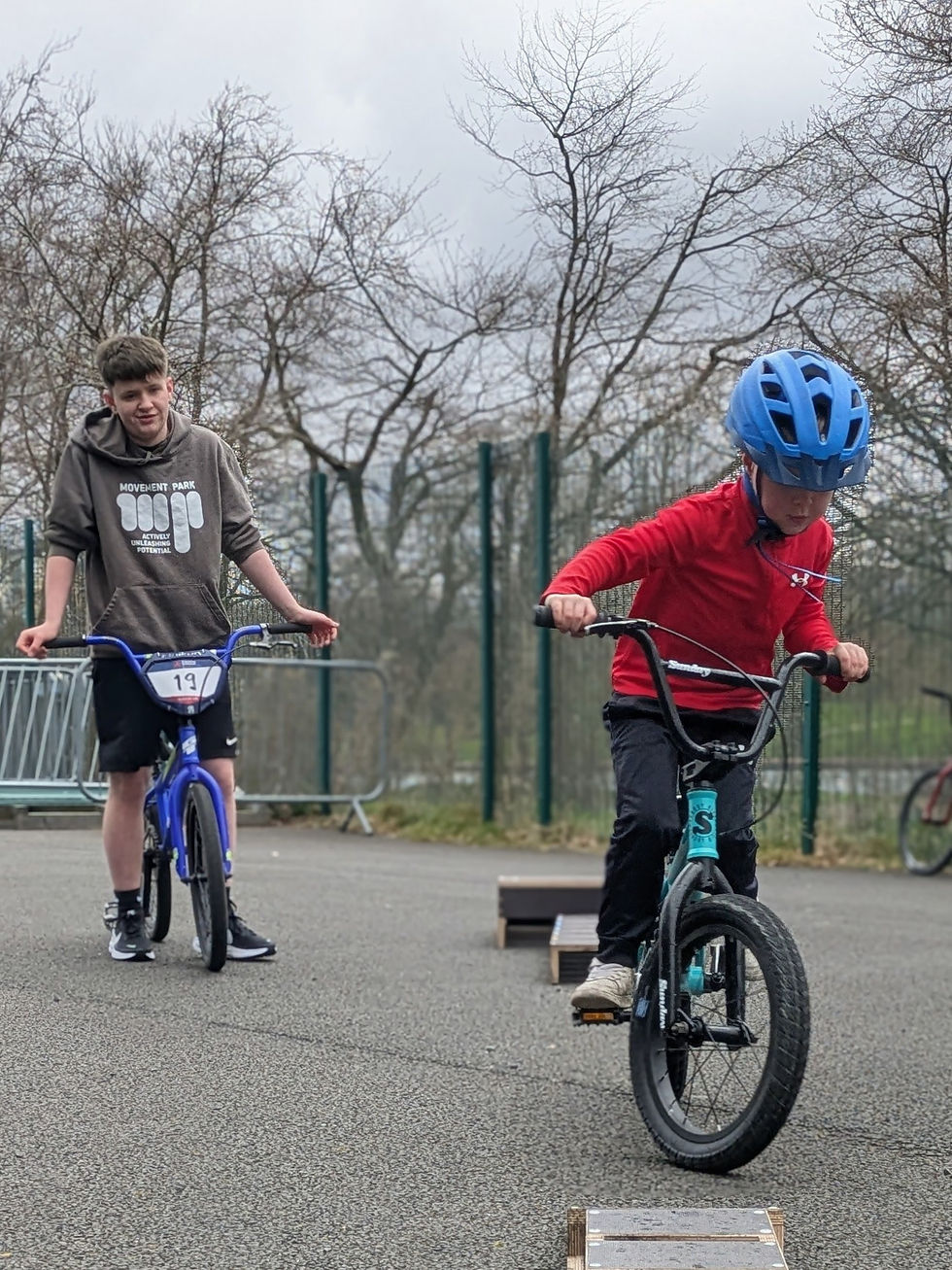
From standing on one leg to walking along a beam or riding a bike, balance is an important keystone of everyday life.
2. Running
Running regularly helps children build speed, fitness and the confidence to join games and play with others.
3. Jumping and Landing
Jumping is fun, but learning how to land safely and with control is just as important for keeping children strong and injury free.
4. Climbing
Climbing builds strength, coordination and problem solving, and it gives children a real sense of adventure and achievement.

5. Throwing and Catching
These are key skills for so many games and sports, and they also help develop timing, coordination and focus.
6. Changing Direction
Learning how to change direction smoothly helps children feel more confident in fast moving play.
7. Hopping and Skipping
Simple, playful movements like hopping and skipping build rhythm, balance, coordination and strength without children even realising.
8. Braking
Whether it is running, cycling or scooting, children need to learn how to slow down and stop safely and in control.

9. Spatial Awareness
This is all about understanding where your body is in space and how it moves around other people and objects. It helps children move confidently and avoid bumps and collisions.
10. Confidence to Try
This might be the most important one of all. Children who feel confident to give things a go, even if they are not perfect, are far more likely to stay active as they grow up.
Movement is a Life Skill
Research shows that children who develop strong movement skills are more likely to enjoy being active and keep taking part in physical activity as they get older.
The best way to build these skills is simple. Give children time and space to explore movement through play so they learn the fundamentals of movement and develop confidence, independence and a lifelong love of being active.


Comments